
The person who called the police now says they do not want the case to go forward. That feels like it should end things. In North Carolina, it does not, and defendants who assume otherwise often lose months of preparation. Getting assault charges dropped when the victim won’t cooperate depends on the evidence, not on anyone’s change of heart.
Here is how these cases actually resolve, and one thing you should be careful about.
Can the Alleged Victim Drop the Charges?
No. This is the single most common misunderstanding in assault cases.
Once a charge is filed, the case belongs to the State of North Carolina. The prosecuting witness is a witness, not a plaintiff. They did not file the case and they cannot withdraw it. Only the district attorney has authority to dismiss.
A witness can tell the prosecutor they do not wish to proceed. Some counties will accept a written affidavit of non-prosecution. Either can influence the decision. Neither is binding, and prosecutors regularly proceed anyway. Under N.C.G.S. 15A-931, the power to dismiss rests with the prosecutor, who may do so orally in open court or by written dismissal filed with the clerk.
Why Won’t Prosecutors Just Dismiss?
Because they are trained to treat recantation with caution, particularly in cases involving partners or family members.
Prosecutors know that a witness may want the case dropped because of reconciliation, financial dependence, family pressure, fear, immigration concerns, or a genuine belief the incident was exaggerated. From the outside, those look identical. Because some of those reasons involve pressure on the witness, offices adopt policies that limit how readily they dismiss on a witness’s request alone.
In domestic-related cases, that institutional caution is strongest. District attorneys’ offices often have internal protocols discouraging dismissal based solely on a victim’s wishes, and prosecutors may face criticism for dismissing a case that later escalates. Discretion still exists, but it operates inside that framework.
Can the State Prove the Case Without the Witness?
Sometimes, and this is where the real analysis lies. Prosecutors may attempt to proceed on:
- 911 recordings, capturing statements made during or just after the incident
- Body camera and dash camera footage
- Photographs of injuries, the scene, or property damage
- Medical records documenting treatment
- Responding officer testimony about what they observed
- Statements from neighbors or other independent witnesses
- Text messages, voicemails, or social media posts
- Prior statements the witness gave to police
If the case rests almost entirely on the witness’s account, their absence is a serious problem for the state. If there are photographs of injuries, a recorded 911 call, and officer observations, the case can survive without them testifying at all.
What About the Right to Confront Witnesses?
This is the most important legal principle in these cases, and it constrains the state considerably.
The Confrontation Clause of the Sixth Amendment generally bars the state from using a witness’s out-of-court testimonial statements against you unless that witness testifies and is subject to cross-examination. A written statement to an officer during an investigation is typically testimonial. If the witness does not appear, that statement usually cannot simply be read to the court.
The boundaries matter. Courts have treated statements made during an ongoing emergency, such as a 911 call seeking help, as non-testimonial in some circumstances, which can make them admissible even without the caller testifying. Hearsay exceptions like excited utterance may also come into play.
The result is a genuinely contested legal question rather than a foregone conclusion, and it is often the point on which the case turns. Litigating admissibility is frequently more productive than hoping the witness stays away.
What Happens If the Witness Simply Does Not Appear?
Not an automatic dismissal, at least not the first time.
The state can:
- Subpoena the witness, compelling attendance. Ignoring a subpoena can expose that person to contempt.
- Request a continuance to locate them or prepare, and judges frequently grant the first request.
- Proceed on other evidence, if enough exists.
Repeated non-appearance combined with thin corroborating evidence does often lead to dismissal eventually. That process can take several settings across many months, during which release conditions and any protective order remain in force.
What Should You Absolutely Not Do?
Read this part carefully, because this is where defendants destroy otherwise winnable cases.
Do not contact the alleged victim. Not to apologize, not to discuss the case, not to ask them to speak to the prosecutor, not through a friend or family member.
The risks are severe and cumulative:
- If a no-contact condition of release or a 50B protective order is in place, contact is a separate criminal offense
- Contact aimed at the case can support charges for intimidating or interfering with a witness, or obstruction
- Prosecutors treat any contact as evidence of pressure, which makes dismissal far less likely, not more
- Messages get screenshotted and become exhibits
If the other person contacts you, do not respond. Save it, and give it to your lawyer. Communication about the case should run through counsel only.
Also relevant: the criminal case and any protective order are separate proceedings. A DVPO can remain in effect regardless of what happens to the criminal charge, and a related domestic violence matter needs to be handled alongside the criminal case rather than after it.
What Actually Improves Your Odds?
Realistic levers, all of which run through your attorney:
- Challenging admissibility of the witness’s out-of-court statements
- Attacking the sufficiency of the remaining evidence
- Raising self-defense, where the facts support it, including evidence that you were the one injured
- Documenting inconsistencies across the 911 call, initial statements, and later accounts
- Preserving your own evidence: messages, photographs, witness names, medical records
- Negotiating alternatives, such as a deferred arrangement or reduction, which can end in dismissal and preserve future expungement eligibility
Charged With Assault in North Carolina? Let the Evidence Do the Work
A witness who no longer wants to proceed changes the state’s position but does not end the case. Prosecutors control dismissal, they view recantation skeptically, and they can sometimes proceed on 911 recordings, photographs, and officer testimony. What genuinely moves these cases is legal work on admissibility and evidentiary sufficiency.
If you are facing an assault charge:
- Follow every release condition and protective order precisely
- Have no contact with the alleged victim, through anyone
- Preserve messages, photographs, and injuries of your own
- Attend every court date, even when you expect a continuance
- Let your lawyer handle all communication about the case
Our assault defense attorneys handle these charges throughout Wake County and focus on what the state can actually prove rather than on what anyone wishes would happen. Reach out for a confidential review of the evidence in your case.
This article is general information about North Carolina law and is not legal advice for your specific situation.
Author Bio
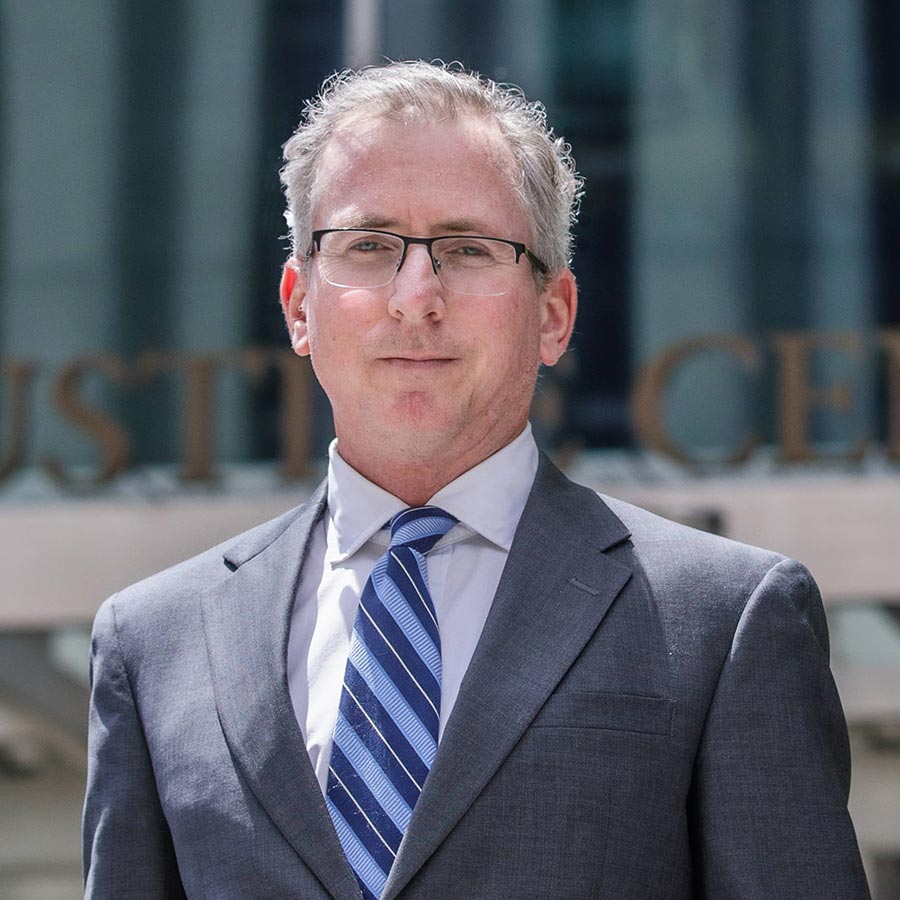
JAMES T. (JIM) JOHNSON
RALEIGH CIVIL TRIAL ATTORNEY
James T. “Jim” Johnson is a North Carolina trial lawyer with more than 30 years of litigation experience. He focuses on high-stakes civil matters, including complex injuries, medical and professional malpractice, libel and slander, civil rights violations, and commercial disputes. Before private practice, Jim served as a Wake County Assistant District Attorney and an Associate Attorney General for North Carolina, then handled insurance defense work. That background gives him an inside view of how insurers evaluate cases.
Jim is rated AV Preeminent by Martindale-Hubbell and has been recognized by North Carolina Super Lawyers, The Best Lawyers in America, and the National Trial Lawyers Top 100 Civil Litigators. He is a Fellow of the Litigation Counsel of America. He earned his B.A. from Duke University and his J.D. from the UNC School of Law.

 5.0
rating



 5.0
rating


