Call Us Today
quick fact check
Charged With Drugged Driving in North Carolina?

A conviction can mean license suspension, heavy fines, and even jail time. Schedule a confidential consultation with an experienced defense attorney to discuss your options.

Take the first step. Click below to schedule your consultation today.

North Carolina has a zero-tolerance policy for certain controlled substances and provides no defense for prescription medications, even when taken exactly as prescribed by your doctor.

At DeMent Askew Johnson & Marshall, we understand that drugged driving charges often affect good people in unfortunate circumstances—professionals taking prescription medications, patients using legal treatments, or individuals who had no idea their medication could impair their driving ability.

Your entire future depends on what you do right now. The decisions you make in the coming days will determine whether this becomes a life-altering conviction or a manageable legal challenge.

North Carolina’s Drugged Driving Laws

In North Carolina, Driving While Impaired (DWI) charges apply not just to alcohol but to any “impairing substance.” Under N.C.G.S. § 20-138.1, you can be charged with DWI if you drive a vehicle:

  • While under the influence of an impairing substance (including prescription medications, over-the-counter drugs, or illegal substances)
  • With any amount of a Schedule I controlled substance or its metabolites in your blood or urine
  • While impaired by any substance, regardless of legality or prescription status
Schedule your Consultation Now
250+ Reviews and counting

North Carolina’s “Per Se” Drugged Driving Laws

North Carolina has a zero-tolerance “per se” drugged driving law for Schedule I controlled substances. This means that the mere presence of these substances in your system is enough for a conviction—the prosecution doesn’t need to prove that your driving was actually impaired.

For Schedule I substances (like heroin, LSD, or MDMA), any detectable amount in your blood or urine is automatically grounds for a DWI conviction. For these charges, impairment is not an element the state needs to prove.

Prescription Medication DWI Charges

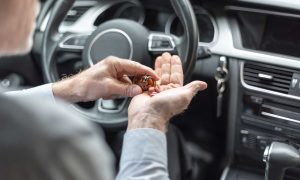
What many people don’t realize is that legally prescribed medications can lead to drugged driving charges in North Carolina. Common medications that can result in DWI charges include:

  • Pain medications (opioids like Vicodin, Percocet, OxyContin)
  • Anti-anxiety medications (Xanax, Valium, Ativan)
  • Sleep aids (Ambien, Lunesta)
  • Muscle relaxants (Flexeril, Soma)
  • ADHD medications (Adderall, Ritalin)
  • Even over-the-counter medications like Benadryl, NyQuil, or cold medicine

Unlike some states, North Carolina law specifically states that having a valid prescription is not a defense to a drugged driving charge. The fact that you were legally entitled to use a drug provides no protection if that drug impaired your driving ability.

Penalties for Drugged Driving Convictions in North Carolina

Drugged driving convictions carry the same severe penalties as alcohol-related DWI convictions. The specific punishment depends on aggravating and mitigating factors, with sentences ranging across six levels:

Aggravated Level One (Most Severe)

  • Jail time: 12-36 months
  • Fine: Up to $10,000
  • License revocation: Minimum 4 years

Level One

  • Jail time: 30 days to 24 months
  • Fine: Up to $4,000
  • License revocation: Minimum 2 years

Level Two

  • Jail time: 7 days to 12 months
  • Fine: Up to $2,000
  • License revocation: Minimum 1 year

Level Three

  • Jail time: 72 hours to 6 months
  • Fine: Up to $1,000
  • License revocation: Minimum 1 year

Level Four

  • Jail time: 48 hours to 120 days
  • Fine: Up to $500
  • License revocation: Minimum 1 year

Level Five (Least Severe)

  • Jail time: 24 hours to 60 days
  • Fine: Up to $200
  • License revocation: Minimum 1 year

All conviction levels also require substance abuse assessment and completion of recommended treatment programs.

How Drugged Driving Is Detected and Proven

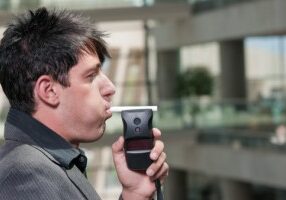
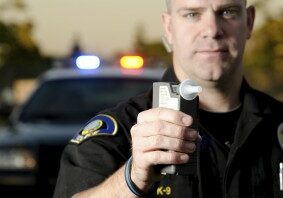
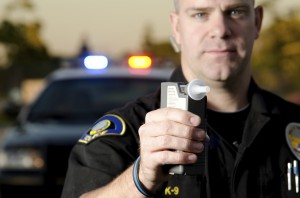
Unlike alcohol, which can be measured with a breathalyzer, drug impairment requires different detection methods:

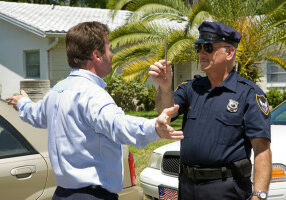
Field Sobriety Tests

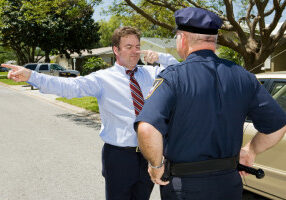
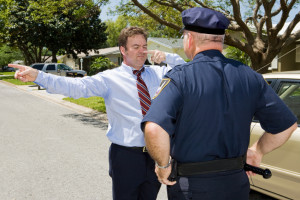
Officers use the same standardized field sobriety tests for drug impairment as they do for alcohol, despite these tests not being designed or validated for drug detection. These tests include:

  • Horizontal Gaze Nystagmus (HGN)
  • Walk and Turn
  • One-Leg Stand

Drug Recognition Experts (DREs)

Some officers have specialized training to identify drug impairment through a 12-step evaluation process. However, many officers making drugged driving arrests lack this specialized training.

Blood Tests

To confirm the presence of drugs, officers typically request a blood sample, which requires:

  • Probable cause
  • Implied consent warnings
  • Either consent or a warrant

The Unique Challenges of Drug Testing

Drug testing is far more complex than alcohol testing:

  • Drugs remain detectable long after impairment has passed
  • Blood levels don’t necessarily correlate with impairment
  • Many prescription drugs have no established “impairment threshold.”
  • Testing can’t distinguish between recent use and residual metabolites

These scientific limitations create powerful defense opportunities that an experienced drugged driving attorney can leverage.

Collateral Consequences of a Drugged Driving Conviction

Beyond the criminal penalties, a drugged driving conviction creates devastating collateral consequences:

Professional License Issues: Healthcare providers, attorneys, teachers, and other licensed professionals face disciplinary action and potential license suspension.

Employment Consequences: Many employers screen for drug-related convictions, limiting job opportunities for years to come.

Insurance Impacts: Auto insurance premiums typically increase by 300-400% for several years following a DWI conviction.

Educational Barriers: College students may lose financial aid, face disciplinary action, or experience admission difficulties.

Travel Restrictions: Some countries, including Canada, may deny entry to individuals with drugged driving convictions.

Prescription Medication Access: Paradoxically, a conviction may make it harder to obtain needed prescription medications in the future.

These consequences often last far longer than any jail sentence, creating years—sometimes decades—of obstacles to rebuilding your life.

Powerful Defense Strategies for Drugged Driving Charges

Despite North Carolina’s strict drugged driving laws, effective defense strategies exist. Our experienced defense team develops customized approaches, including:

Constitutional Challenges

  • Unlawful traffic stops: Challenging whether the officer had reasonable suspicion
  • Illegal searches or seizures: Questioning the legality of blood draws or vehicle searches
  • Miranda violations: Suppressing statements obtained without proper warnings

Scientific and Medical Defenses

  • Testing reliability challenges: Questioning laboratory procedures, chain of custody, and analytical methods
  • Medical condition defenses: Identifying conditions that can cause false positives or symptoms mimicking impairment
  • Tolerance explanations: Demonstrating how regular prescribed users develop tolerance that prevents impairment

Procedural Defenses

  • Improper DRE protocol: Identifying failures to follow proper drug recognition procedures
  • Field sobriety test challenges: Highlighting how medical conditions, physical limitations, or test conditions affected performance
  • Warrant deficiencies: Challenging blood draws conducted without proper legal authority

Alternative Explanations

  • Innocent explanations for symptoms: Fatigue, stress, medical conditions, or other factors that mimic impairment
  • Distinguishing use from impairment: Demonstrating that the presence of a drug doesn’t prove impairment at the time of driving
  • Timing defenses: Establishing that the drug was consumed after driving or had worn off before driving
Wake County Courthouse
Handles civil and criminal matters in Wake County
  • Address: 300 S Salisbury St, Raleigh, NC 27601
  • Hours: M-F 8:30 A.M.-5 P.M.
  • Phone:(919) 792-4000

The DeMent Askew Johnson & Marshall Advantage in Drugged Driving Defense

When you choose our firm to defend against drugged driving charges, you benefit from:

  • A comprehensive understanding of the science behind drug testing and metabolism
  • Relationships with toxicology experts who can testify about testing limitations
  • Knowledge of medical issues affecting field sobriety test performance
  • Experience challenging blood test results and procedures
  • Strategic approach to prescription medication cases that emphasizes medical necessity
  • Proven record of successful drugged driving defenses
  • 24/7 accessibility during this critical time in your life

We don’t just defend cases—we defend careers, reputations, and futures.

What to Do Right Now If You’re Facing Drugged Driving Charges

If you’ve been charged with drugged driving in Raleigh or anywhere in North Carolina, time is critical. Here’s what you need to do immediately:

  1. Exercise your right to remain silent. Don’t discuss your case with anyone except your attorney.
  2. Document everything about your arrest, testing procedures, and medical history.
  3. Gather medical records related to any prescription medications, including dosage information and how long you’ve been taking them.
  4. Request a DMV hearing within 10 days to challenge your automatic license suspension.
  5. Contact our office immediately for a confidential case evaluation.

The sooner we can begin building your defense, the more options we’ll have to fight the charges. Early intervention can sometimes lead to charges being reduced or dismissed before they permanently impact your record.

Don’t Face Drugged Driving Charges Alone – Contact Our Raleigh Drugged Driving Defense Lawyers Today

At DeMent Askew Johnson & Marshall, we understand what’s at stake when you’re facing drugged driving charges. Your freedom. Your driving privileges. Your career. Your future.

Our team of experienced drugged driving defense attorneys is ready to stand between you and the severe consequences of a conviction.

The consultation is completely confidential.

Call us now or complete our online contact form to schedule your consultation. There’s a right way and a wrong way to handle drugged driving charges—let us help you protect everything that matters.

Serving clients in Raleigh, Durham, Orange, Carteret, and Chatham Counties, and throughout North Carolina.

Areas served

Wake County

  • Raleigh
  • Cary
  • Apex
  • Morrisville
  • Garner
  • Holly Springs
  • Fuquay-Varina
  • Wake Forest
  • Rolesville
  • Knightdale
  • Wendell
  • Zebulon

Carteret County

  • Beaufort
  • Morehead City
  • Atlantic Beach
  • Emerald Isle
  • Newport

Durham County

  • Durham

Orange County

  • Chapel Hill
  • Carrboro
  • Hillsborough

Chatham County

  • Pittsboro
  • Siler City

Johnston County (Smithfield courthouse only)

  • Smithfield

FAQs

Can I be charged with DWI for taking my legally prescribed medications?

Yes. North Carolina provides no legal defense for driving while impaired by prescription medications, even when taken exactly as prescribed by your doctor. The law explicitly states that being legally entitled to use a drug is not a defense to a DWI charge. However, the fact that impairment resulted from lawfully prescribed medication taken as directed can potentially serve as a mitigating factor during sentencing, potentially reducing your punishment level. This is why it’s crucial to have an attorney who understands the nuances of prescription medication DWI cases.


How can police determine if I'm driving under the influence of drugs?

Police use several methods to detect potential drug impairment:

  • Observable symptoms (dilated/constricted pupils, coordination issues, speech patterns)
  • Field sobriety tests (which were developed for alcohol, not drugs)
  • Drug Recognition Expert (DRE) examinations in some cases
  • Chemical testing of blood or urine (usually requires a warrant unless you consent)

A key defense strategy often involves challenging these detection methods, particularly when the officer lacks specialized DRE training or when field sobriety tests were administered improperly or are affected by non-drug-related factors like medical conditions, fatigue, or nervousness.


How long do drugs stay in your system for detection purposes?

Detection windows vary widely depending on the drug, testing method, metabolism, and frequency of use:

  • THC (marijuana): Detectable in blood for 1-2 days for occasional users, but metabolites can be detected for weeks in frequent users
  • Prescription opioids: Generally 1-3 days in blood
  • Benzodiazepines (Xanax, Valium): 2-7 days in blood for short-acting, up to 30 days for long-acting varieties
  • Amphetamines/Methamphetamine: 1-3 days in blood
  • Cocaine: 1-2 days in blood

This creates a significant legal issue—you can test positive for drugs long after any impairing effects have worn off. Our attorneys understand how to challenge these tests based on the scientific disconnect between detection and actual impairment.


What's the difference between alcohol DWI and drugged driving DWI in North Carolina?

While both fall under the same DWI statute and carry identical penalties, there are key differences:

  • Per se limits: Alcohol has a clear 0.08% BAC threshold; most drugs have no established impairment threshold (except Schedule I drugs which have zero tolerance)
  • Testing methods: Alcohol is tested via breath; drugs require blood or urine tests
  • Scientific reliability: Alcohol testing is more standardized and accepted than drug testing
  • Detection windows: Alcohol clears the system in hours; drugs can be detected for days or weeks
  • Prescription defense: Neither allows a prescription as a defense, but proving impairment from prescription drugs can be more challenging for prosecutors

These differences create unique defense opportunities for drugged driving cases that an experienced attorney can leverage.


Will I lose my license if charged with drugged driving?

Yes, your license will be automatically suspended for 30 days upon arrest. Within 10 days of your arrest, you can request a hearing to contest this initial suspension. After the 30-day period, you may be eligible for limited driving privileges if you have:

  • No prior DWI convictions within 7 years
  • A valid license at the time of the offense
  • No pending impaired driving charges
  • Completed a substance abuse assessment

If convicted, your license will be revoked for at least one year, with eligibility for limited driving privileges depending on your sentencing level and compliance with court-ordered assessments. Our attorneys can guide you through this complex process to help maintain your ability to drive for essential purposes.


How do over-the-counter medications factor into drugged driving charges?

Common over-the-counter medications such as antihistamines (Benadryl), cold medicines (NyQuil), and sleep aids (ZzzQuil) can lead to drugged driving charges if they impair your ability to drive. The prosecution must prove that the medication actually impaired your driving ability, making these cases more challenging to prove than alcohol or Schedule I drug cases. However, warning labels on these medications about drowsiness or not operating machinery can be used as evidence against you. Our attorneys develop defense strategies specific to OTC medication cases, often focusing on challenging the officer’s observations and the actual level of impairment.


Can I refuse a blood test if stopped for suspected drugged driving?

You can refuse a blood test, but there are consequences. Under North Carolina’s implied consent law, refusing a blood test after being arrested for DWI will result in an automatic one-year license suspension, separate from and in addition to any suspension resulting from a DWI conviction. Additionally, the officer can obtain a warrant for your blood, and your refusal can be used as evidence against you in court. Whether to refuse is a complex decision that depends on your specific circumstances. Having experienced legal representation is crucial regardless of whether you consented to or refused testing.

Cases We Handle

Areas Served

IN RALEIGH:
333 Fayetteville Street,
Suite 1513
Raleigh, NC 27601 Get Direction
(919) 833-5555
IN MOREHEAD CITY:
810 Arendell Street
Morehead City,
NC 28557 Get Direction
(252) 251-5555
5.0
rating
Based on 250+ Reviews