Call Us Today
quick fact check
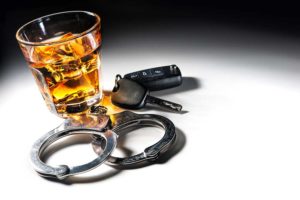
Arrested for DWI in Raleigh?

A conviction can impact your license, job, and future. Schedule a confidential consultation with an experienced Raleigh DWI lawyer to discuss your defense options. Take the first step. Click below to schedule your consultation today.

A DWI conviction carries severe penalties that can include jail time, substantial fines, license suspension, and a permanent criminal record that will follow you for life.

At DeMent Askew Johnson & Marshall, we understand that good people can make mistakes. A DWI charge doesn’t define who you are, but how you respond to it will significantly impact your future. Whether you’re a first-time offender, a professional concerned about your career, or someone facing aggravated circumstances, we have the experience and knowledge to protect your rights and fight for the best possible outcome.

Your entire future depends on what you do right now. The decisions you make in the coming days will determine whether this becomes a life-altering conviction or a manageable legal challenge.

North Carolina DWI Laws

In North Carolina, Driving While Impaired (DWI) is governed by N.C.G.S. § 20-138.1. Under this statute, you can be charged with DWI if you drive a vehicle:

  • While under the influence of an impairing substance
  • With a blood alcohol concentration (BAC) of 0.08% or higher
  • With any amount of a Schedule I controlled substance in your blood or urine

North Carolina does not distinguish between DWI and DUI—all impaired driving offenses fall under the DWI statute, regardless of whether the impairment comes from alcohol, illegal drugs, or even prescription medications.

Schedule your Consultation Now
250+ Reviews and counting

Per Se DWI: The 0.08% Standard

A “per se” DWI occurs when your BAC measures 0.08% or higher. In these cases, the prosecution doesn’t need to prove that your driving was actually impaired—the BAC reading alone is sufficient evidence for conviction. Commercial drivers face an even stricter standard of 0.04% BAC.

Impairment Without BAC Evidence

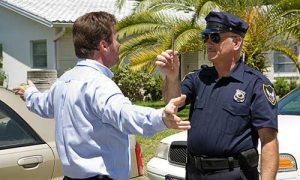
Even without a BAC measurement, you can be convicted of DWI if the prosecution can prove that you were “appreciably impaired” by alcohol or drugs. This evidence often comes from:

  • Officer observations of your driving
  • Performance on field sobriety tests
  • Physical symptoms like slurred speech or bloodshot eyes
  • Statements you made to the officer

Zero Tolerance for Underage Drivers

For drivers under 21, North Carolina has a zero-tolerance policy. Any measurable amount of alcohol (typically 0.01% BAC or higher) can result in a DWI charge, license suspension, and other penalties—even if your driving ability wasn’t impaired.

North Carolina’s DWI Sentencing Structure

What sets North Carolina apart from most states is its intricate sentencing structure for DWI convictions. Rather than simple first, second, or third offense categories, North Carolina uses a complex system of six sentencing levels based on aggravating and mitigating factors:

Aggravated Level One (Most Severe)

When Applied: Three or more grossly aggravating factors

Penalties: 12-36 months in jail, up to $10,000 fine, mandatory treatment

License Impact: Revocation for 4 years

Level One

When Applied: Two grossly aggravating factors

Penalties: 30 days to 24 months in jail, up to $4,000 fine

License Impact: Revocation for 2 years

Level Two

When Applied: One grossly aggravating factor

Penalties: 7 days to 12 months in jail, up to $2,000 fine

License Impact: Revocation for 1 year

Level Three

When Applied: Aggravating factors outweigh mitigating factors

Penalties: 72 hours to 6 months in jail, up to $1,000 fine

License Impact: Revocation for 1 year

Level Four

When Applied: No factors or aggravating and mitigating factors are balanced

Penalties: 48 hours to 120 days in jail, up to $500 fine

License Impact: Revocation for 1 year

Level Five (Least Severe)

When Applied: Mitigating factors outweigh aggravating factors

Penalties: 24 hours to 60 days in jail, up to $200 fine

License Impact: Revocation for 1 year

Aggravating and Mitigating Factors That Affect Your Case

The severity of your sentence depends heavily on the presence of various factors:

Grossly Aggravating Factors

  • Prior DWI conviction within 7 years
  • Driving on a license revoked due to a previous DWI
  • Causing serious injury to another person
  • Having a child under 18 in the vehicle

Aggravating Factors

  • BAC of 0.15% or higher
  • Especially reckless or dangerous driving
  • Causing an accident
  • Driving with a revoked license
  • Speeding to elude police
  • Speeding 30+ mph over the limit
  • Passing a stopped school bus

Mitigating Factors

  • Slight impairment due solely to alcohol (BAC below 0.09%)
  • Safe driving record
  • Voluntary submission to substance abuse assessment
  • Completion of treatment program before sentencing
  • Impairment caused by lawfully prescribed medication

Additional Consequences of a DWI Conviction

Beyond criminal penalties, a DWI conviction creates devastating collateral consequences:

Driver’s License Revocation: Automatic license suspension for at least one year on a first offense, four years for a second offense within three years, and permanent revocation for a third offense.

Ignition Interlock Requirements: Installation of an ignition interlock device in your vehicle at your own expense (approximately $70-100 monthly) is mandatory for certain offenders, especially those with BAC of 0.15% or higher.

Insurance Impacts: Auto insurance premiums can increase by 300-400% for several years following a DWI conviction, costing thousands of dollars in additional premiums.

Employment Consequences: Many employers conduct background checks, and a DWI conviction can limit job opportunities, especially those involving driving or professional licensing.

Professional License Issues: Doctors, nurses, teachers, lawyers, and other licensed professionals may face disciplinary action from their licensing boards.

Educational Impacts: College students may lose scholarships, face academic discipline, or experience difficulty with admissions.

Immigration Consequences: Non-citizens may face deportation or inadmissibility issues from a DWI conviction.

Powerful Defense Strategies for DWI Charges

Despite North Carolina’s strict DWI laws, effective defense strategies exist. Our experienced defense team develops customized approaches, including:

Constitutional Challenges

  • Unlawful traffic stops: Challenging whether the officer had reasonable suspicion to pull you over
  • Miranda violations: Suppressing statements obtained without proper warnings

Field Sobriety Test Challenges

  • Improper test administration: Questioning whether field sobriety tests were properly administered according to NHTSA standards
  • Physical conditions affecting performance: Identifying medical conditions, injuries, or physical limitations that affect test performance
  • Environmental factors: Challenging tests conducted on uneven surfaces, in poor weather, or inadequate lighting

Breath and Blood Test Challenges

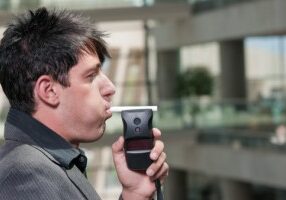
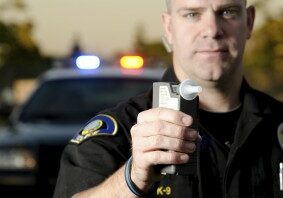
  • Breathalyzer accuracy: Challenging the calibration and maintenance of testing equipment
  • Testing procedure violations: Identifying failures to follow proper testing protocols
  • Medical conditions: Presenting evidence of conditions that can affect test results, such as GERD, diabetes, or certain diets

Procedural Defenses

  • Observation period violations: Contesting whether the mandatory 15-minute observation period was properly conducted
  • Chain of custody issues: Identifying gaps in how blood evidence was handled
  • Officer qualifications: Questioning whether the arresting officer was properly trained and certified

Substantive Defenses

  • Rising BAC defense: Demonstrating that your BAC was below the legal limit while driving but rose to 0.08% or above by the time of testing
  • Lack of actual impairment: Challenging the officer’s subjective observations of impairment
  • Necessity defense: In rare cases, establishing that you drove out of genuine emergency necessity
Wake County Courthouse
Handles civil and criminal matters in Wake County
  • Address: 300 S Salisbury St, Raleigh, NC 27601
  • Hours: M-F 8:30 A.M.-5 P.M.
  • Phone:(919) 792-4000

The DeMent Askew Johnson & Marshall Advantage in DWI Defense

When you choose our firm to defend against DWI charges, you benefit from:

  • Decades of combined DWI defense experience in North Carolina courts
  • Scientific knowledge to challenge breath and blood testing
  • Relationships throughout the Wake County court system that facilitate favorable negotiations
  • Comprehensive understanding of North Carolina’s complex DWI sentencing structure
  • Specialized training in field sobriety testing and breathalyzer operation
  • Experience with professional licensing boards to protect careers
  • 24/7 accessibility during this critical time in your life

We don’t just defend cases—we defend careers, reputations, and futures.

What to Do Right Now If You’re Facing DWI Charges

If you’ve been charged with DWI in Raleigh or anywhere in North Carolina, time is critical. Here’s what you need to do immediately:

  • Exercise your right to remain silent. Don’t discuss your case with anyone except your attorney.
  • Document everything about your arrest and the testing procedures while it’s fresh in your memory.
  • Request a DMV hearing within 10 days to challenge your automatic license suspension.
  • Preserve evidence that might help your case, including witness information and medical records.
  • Contact our office immediately for a confidential case evaluation.

The sooner we can begin building your defense, the more options we’ll have to fight the charges. Early intervention can sometimes lead to charges being reduced or dismissed before they permanently impact your record.

Don’t Face DWI Charges Alone – Contact Our Raleigh DWI Defense Lawyers Today

At DeMent Askew Johnson & Marshall, we understand what’s at stake when you’re facing DWI charges. Your freedom. Your driving privileges. Your reputation. Your future.

Our team of experienced DWI defense attorneys is ready to stand between you and the severe consequences of a DWI conviction.

The consultation is completely confidential.

Call us now or complete our online contact form to schedule your consultation. There’s a right way and a wrong way to handle DWI charges—let us help you protect everything that matters.

Serving clients in Raleigh, Durham, Orange, Carteret, and Chatham Counties, and throughout North Carolina.

Areas served

Wake County

  • Raleigh
  • Cary
  • Apex
  • Morrisville
  • Garner
  • Holly Springs
  • Fuquay-Varina
  • Wake Forest
  • Rolesville
  • Knightdale
  • Wendell
  • Zebulon

Carteret County

  • Beaufort
  • Morehead City
  • Atlantic Beach
  • Emerald Isle
  • Newport

Durham County

  • Durham

Orange County

  • Chapel Hill
  • Carrboro
  • Hillsborough

Chatham County

  • Pittsboro
  • Siler City

Johnston County (Smithfield courthouse only)

  • Smithfield

FAQs

Should I refuse a breathalyzer test if pulled over for DWI in North Carolina?

This is a complex question with no one-size-fits-all answer. Under North Carolina’s implied consent law, refusing a chemical test results in an automatic one-year license suspension, regardless of whether you’re ultimately convicted. Your refusal can also be used as evidence against you in court.

Here’s what many people don’t realize: In Wake County and many other North Carolina jurisdictions, law enforcement will typically obtain a warrant for a forced blood draw if you refuse the breath test. This means you face both the penalties of refusal (license suspension, refusal used as evidence) and still have chemical test results that can prosecute your case.


Can I get a limited driving privilege after a DWI arrest or conviction?

Possibly. After a DWI arrest, you may be eligible for a pre-trial limited driving privilege after a 10-day hard suspension if you had no prior DWI convictions within 7 years and your license wasn’t already revoked. After conviction, limited driving privileges depend on your sentencing level and compliance with court-ordered assessments. Typically, you must complete a substance abuse assessment, show proof of insurance, and pay required fees. For higher BAC levels (0.15% or above), you’ll also need to install an ignition interlock device. Our attorneys can guide you through this complex process and help you maintain your ability to drive for essential purposes.


Will I lose my professional license if convicted of DWI?

Many professional licensing boards require reporting of criminal convictions, including DWI. The impact varies by profession:

  • Healthcare professionals (doctors, nurses, pharmacists) may face disciplinary action or practice restrictions
  • Attorneys must report to the State Bar, which evaluates each case individually
  • Teachers may face employment consequences or licensing review
  • Commercial drivers typically face significant employment hurdles
  • Financial services professionals may trigger reporting requirements

Our firm works not only on your criminal defense but also helps manage professional licensing implications by coordinating with licensing boards and developing mitigation strategies.


What's the difference between a standard DWI and an Aggravated DWI?

In North Carolina, there’s no separate “Aggravated DWI” charge, but there are aggravating factors that significantly impact sentencing. The most serious DWI sentence is “Aggravated Level One,” which applies when three or more grossly aggravating factors are present. These factors include prior DWI convictions, driving with a revoked license due to a previous DWI, causing serious injury, or having a child in the vehicle. An Aggravated Level One DWI carries 12-36 months of jail time, up to $10,000 in fines, and mandatory substance abuse treatment, compared to as little as 24 hours in jail for a Level Five conviction.


Can a DWI conviction be expunged from my record in North Carolina?

Unlike many other states, North Carolina generally does not allow expungement of DWI convictions. Once convicted, the DWI remains on your criminal and driving record permanently. This makes fighting your DWI charge aggressively from the beginning especially important. If your DWI charge was dismissed or you were found not guilty, you may be eligible to have the arrest record expunged. Our attorneys can evaluate your specific situation and explain all available options for protecting your record.


How does a DWI affect my auto insurance rates?

A DWI conviction typically results in being classified as a “high-risk driver” by insurance companies. In North Carolina, this commonly leads to premium increases of 300-400% for 3-5 years following conviction. For many drivers, this means paying thousands of additional dollars annually for insurance. You may also be required to file an SR-22 (proof of financial responsibility) with the DMV. Some insurance carriers may decline to renew your policy altogether. These insurance consequences often represent the most expensive long-term cost of a DWI conviction.


What if I was taking legally prescribed medication when arrested for DWI?

Unlike some states, North Carolina does not provide a legal defense based on taking prescribed medication as directed. You can be convicted of DWI while taking your own legally prescribed medications if they impair your driving ability. However, the fact that impairment resulted from lawfully prescribed medication taken as directed can serve as a mitigating factor during sentencing. Our attorneys work with medical experts to challenge claims of impairment from prescription medications and develop effective defenses based on your specific medical situation.

Cases We Handle

Areas Served

IN RALEIGH:
333 Fayetteville Street,
Suite 1513
Raleigh, NC 27601 Get Direction
(919) 833-5555
IN MOREHEAD CITY:
810 Arendell Street
Morehead City,
NC 28557 Get Direction
(252) 251-5555
5.0
rating
Based on 250+ Reviews