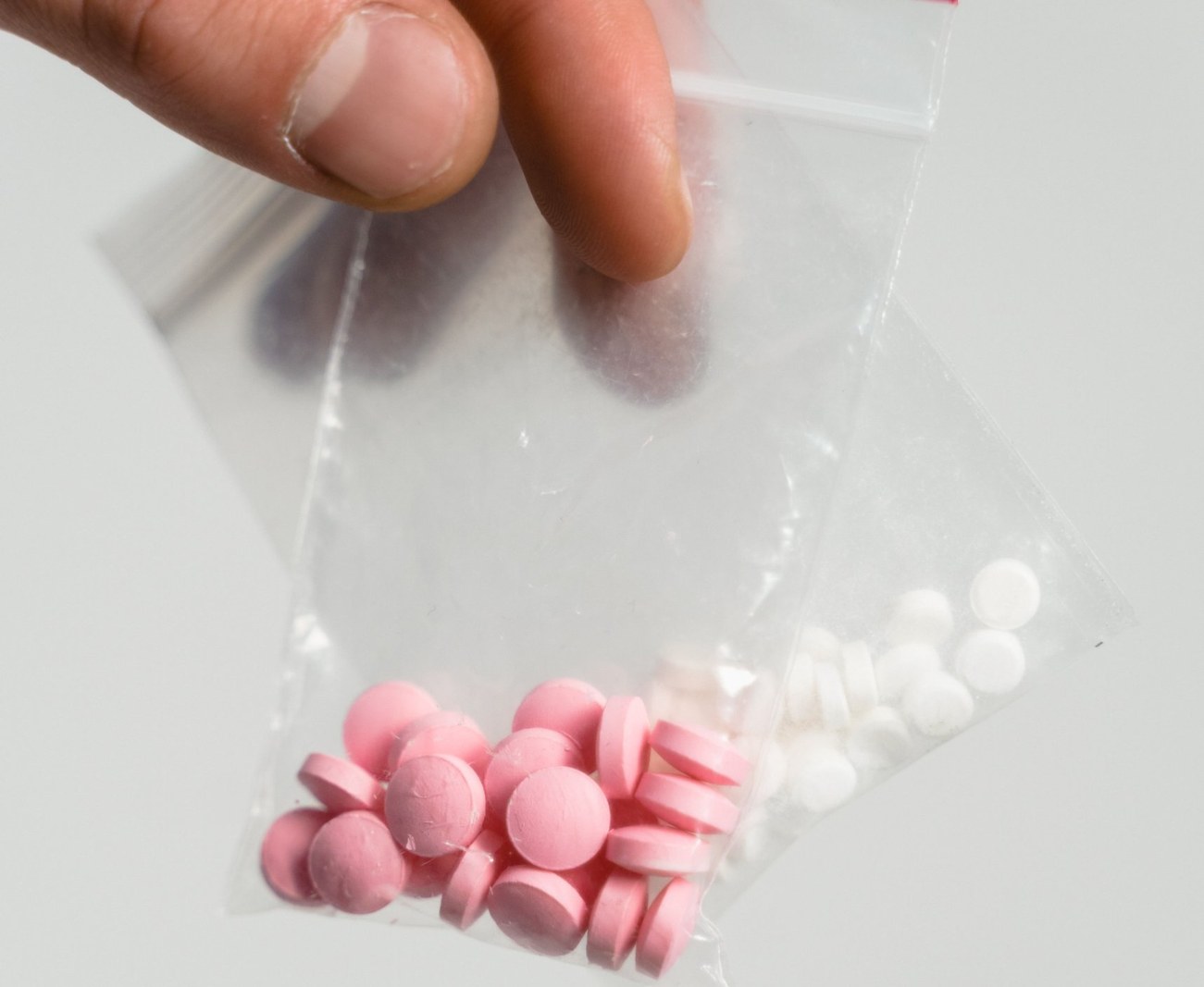
First offense drug possession penalties in North Carolina depend almost entirely on two facts: what the substance was and how much of it police found. The same first-time charge can be a fine-only misdemeanor or a felony with a mandatory prison term.
Possession is also where the details in the statute matter most. Several drugs people assume are “misdemeanor amounts” are felonies in any quantity under North Carolina law.
How North Carolina Classifies Drugs
North Carolina sorts controlled substances into six schedules, and N.C.G.S. § 90-95 sets the possession penalty for each:
- Schedule I: heroin, LSD, MDMA, psilocybin
- Schedule II: cocaine, methamphetamine, fentanyl, oxycodone, and prescription amphetamines like Adderall
- Schedule III: anabolic steroids, ketamine
- Schedule IV: Xanax, Valium, tramadol
- Schedule V: certain low-dose codeine cough syrups
- Schedule VI: marijuana
The schedule is a starting point, not the final answer. Within Schedule II, the specific drug changes the outcome.
First Offense Drug Possession Penalties by Drug
Here is how simple possession is classified for a person with no prior convictions:
- Fentanyl or carfentanil, any amount: Class H felony. This is one of the most serious possession charges in the statute.
- Cocaine, methamphetamine, amphetamine, or PCP, any amount: Class I felony. That includes Adderall without a valid prescription.
- Other Schedule I drugs: Class I felony.
- Other Schedule II, III, and IV drugs: Class 1 misdemeanor, unless the amount exceeds 100 pills or dosage units (or four dosage units of hydromorphone). Above that line, it becomes a Class I felony.
- Schedule V drugs: Class 2 misdemeanor.
Marijuana Possession
Marijuana is the one area where amount sets the classification:
- Half an ounce or less: Class 3 misdemeanor. Any jail sentence must be suspended.
- More than half an ounce, up to one and a half ounces: Class 1 misdemeanor.
- More than one and a half ounces: Class I felony.
Concentrates follow different rules.
Any amount of THC that has been isolated from the resin of the plant, or synthetic THC, is a Class I felony under the same statute, which is why THC vape cartridges and concentrates can lead to felony charges. The line between legal hemp products and illegal THC is a frequent source of confusion under North Carolina’s marijuana possession laws.
What Sentence Does a First Offense Carry?
North Carolina uses structured sentencing, so the class of the offense and your prior record decide the range. For someone with no prior convictions:
- Class 3 misdemeanor: generally a fine only, up to $200.
- Class 2 misdemeanor: up to 30 days, with community punishment (probation rather than active jail).
- Class 1 misdemeanor: up to 45 days, with community punishment.
- Class I felony: a presumptive minimum of 4 to 6 months, with community punishment at the lowest record level.
- Class H felony: a presumptive minimum of 5 to 6 months, and the judge can choose community, intermediate, or active punishment.
Even when the sentence is probation, a felony conviction stays on your record. The difference between a felony and a misdemeanor drug charge affects jobs, housing, professional licenses, and firearm rights long after probation ends.
Drug paraphernalia is charged separately. Marijuana paraphernalia is a Class 3 misdemeanor, and paraphernalia for other drugs is a Class 1 misdemeanor.
What the State Has to Prove
Every possession case requires proof that the substance is what the State says it is, and that it was yours:
- Identity of the drug. The substance generally has to be identified through chemical analysis. Under G.S. 90-95(g), the State can use a lab report without calling the analyst only if it gives notice at least 15 business days before the proceeding and the defense does not object in time. A timely objection requires the State to produce the analyst.
- Possession. The drugs must have been on you, or in a place you knowingly controlled. When drugs are found in a shared car or home, proving possession is often the weakest part of the State’s case.
- Knowledge. You must have known the substance was there.
Why a First Offense Carries Extra Weight
The first possession conviction changes how the next one is charged. Under G.S. 90-95(e)(3), a Class 1 misdemeanor possession charge becomes a Class I felony if the person has any prior drug conviction. A pill charge that is a misdemeanor today can be a felony the second time.
That is one reason we treat a first charge as the case to resolve carefully, not the one to plead quickly.
Ways a First Offense Can End Without a Conviction
North Carolina offers several paths that can end a first-time possession case in a dismissal:
- Conditional discharge under G.S. 90-96. Eligible first offenders complete probation and conditions, and the charge is dismissed.
- Deferred prosecution. The case is held while you complete requirements set by the prosecutor, then dismissed.
- Challenging the evidence. Many possession cases turn on whether the search was lawful, whether the State can prove the drugs were yours, and whether lab results hold up.
Eligibility rules differ, and first-time drug offender programs in Wake County each come with their own requirements. A dismissal through one of these programs can later be cleared from your record through expungement.
When Possession Becomes Trafficking
Weight alone can turn possession into trafficking, even for a first offense and even with no evidence of sales. Thresholds include more than 10 pounds of marijuana, 28 grams of cocaine or methamphetamine, and 4 grams of heroin, opioids, or fentanyl.
Trafficking carries mandatory minimum prison terms. For fentanyl, 4 to 14 grams means a minimum of 90 months. Those mandatory terms make the weight of the drugs one of the first things to examine in any drug trafficking case.
A First Drug Charge Is the Best Time to Protect Your Record
A first possession charge is often the point where the long-term outcome is still most flexible. Diversion, dismissal, and expungement are all more realistic before there is a prior conviction on the books.
If you are facing a first drug charge in Raleigh or Wake County, our drug possession defense attorneys can review the evidence and the options available to you. Contact us for a confidential case review.
This article is general information about North Carolina law and is not legal advice for your specific situation.
Author Bio

JAMES T. (JIM) JOHNSON
RALEIGH CIVIL TRIAL ATTORNEY
James T. “Jim” Johnson is a North Carolina trial lawyer with more than 30 years of litigation experience. He focuses on high-stakes civil matters, including complex injuries, medical and professional malpractice, libel and slander, civil rights violations, and commercial disputes. Before private practice, Jim served as a Wake County Assistant District Attorney and an Associate Attorney General for North Carolina, then handled insurance defense work. That background gives him an inside view of how insurers evaluate cases.
Jim is rated AV Preeminent by Martindale-Hubbell and has been recognized by North Carolina Super Lawyers, The Best Lawyers in America, and the National Trial Lawyers Top 100 Civil Litigators. He is a Fellow of the Litigation Counsel of America. He earned his B.A. from Duke University and his J.D. from the UNC School of Law.

 5.0
rating









 5.0
rating